Every February, we take time as a team to recognize and honor the contributions and sacrifices of African Americans who have helped shape our nation. Black History Month gives us an opportunity to celebrate a rich cultural heritage, reflect on both achievements and challenges, and learn from the stories that continue to influence who we are as a society.
Black History Month is often associated with well-known figures like Martin Luther King Jr., Rosa Parks, Malcolm X, and Harriet Tubman. But, more importantly, it’s about broadening our understanding by recognizing many others, including scientists, entrepreneurs, artists, academics, inventors, policy leaders, soldiers, and everyday people, whose contributions helped make our country what it is today.
Happy 100th Anniversary! Black History Month 2026 marks an important milestone — the 100th anniversary of the first Black History Week. This year’s theme, “A Century of Black History Commemorations,” honors 100 years of recognizing Black life, resilience, and contributions to American society.
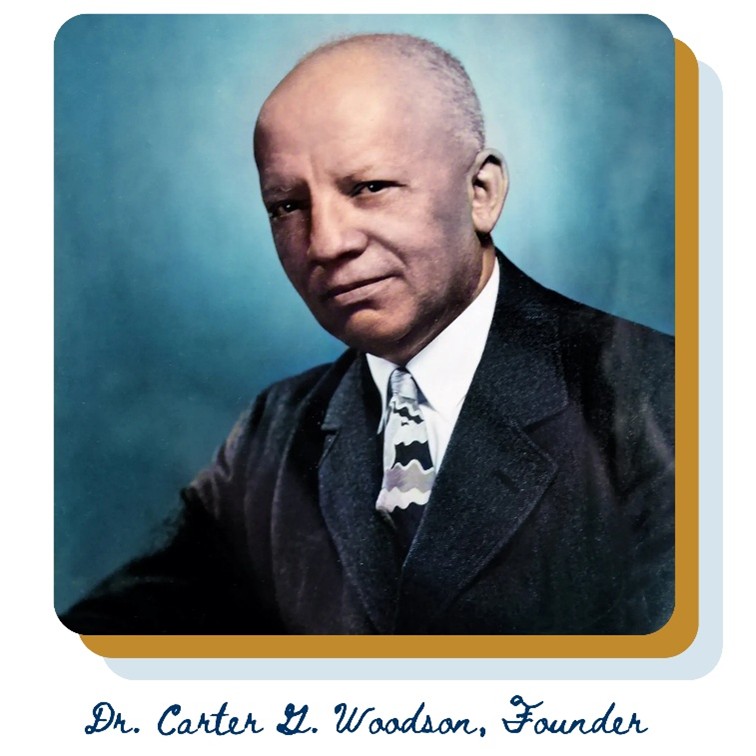 Early Beginnings: What began as a single week of recognition in 1926 has grown into a month-long observance of Black history each February. Led by historian and educator Dr. Carter G. Woodson, the son of formerly enslaved parents, the movement was rooted in a powerful belief: that knowing and honoring one’s history is essential to recognizing one’s humanity.
Known as the "Father of Black History," Dr. Woodson intentionally chose the month of February because it commemorates the birthdays of two men who greatly affected the Black community: Abraham Lincoln (Feb. 12) and Frederick Douglass (Feb. 14).
Dr. Woodson’s goal was simple, but impactful: he wanted to ensure Black history was taught and shared in classrooms, public libraries, churches, and communities across the country. Over the next four decades, educators embraced the effort, churches helped amplify it, and civic groups built meaningful programming around it.
As the Civil Rights Movement gained momentum in the 1960s, this work continued to grow. In 1976, the United States formally expanded the week-long observance into Black History Month, carrying forward the core of Dr. Woodson’s vision.
Engaging During Black History Month: This month offers opportunity to learn, reflect, and take meaningful action. Consider exploring Black history through books by Black authors, local museums, and community resources. Support Black-owned businesses to help advance economic equity and learn about Black leaders whose contributions continue to shape society.
You can also engage by watching films and documentaries by Black filmmakers or participating in educational events such as discussions, guest speakers, or community service projects. While February offers a focused time for recognition, continued learning and engagement beyond this month creates lasting impact.