.png?ver=DNlonpG60GD2s4IhQhycVw%3d%3d) Career development no longer begins during a student’s final semester or after graduation. Today, it’s an ongoing process that helps students explore their interests, recognize the skills they are developing, and make informed decisions about their professional futures.
In recognition of Career Development Month, we spoke with Matt Musselman, Business Development Executive for Education at Geographic Solutions, about the evolving approach to career development, emerging workforce trends, and how educational institutions can better connect learning with employment opportunities. Matt also shares how tools such as Geographic Solutions’ Virtual Career Center can help students turn career exploration into practical next steps.
How has the approach to career development changed in recent years, and what should educational institutions be doing today to better prepare students for tomorrow’s workforce?
Career development has evolved into a continuous process that should begin well before graduation. Students need opportunities to explore their interests, understand their career options, and connect what they are learning to the skills employers are seeking. As more employers embrace skills-based hiring, students must also be able to demonstrate how their education and experiences have prepared them for specific roles.
Education institutions can support this process by integrating career development throughout the student experience, from orientation and academic advising to classroom projects and internships. Helping students understand how their academic programs connect to potential careers can provide a clear sense of purpose and a more informed plan for their futures.
What emerging workforce trends should students and educators be paying attention to, and how can educational institutions help students develop the skills needed to remain competitive?
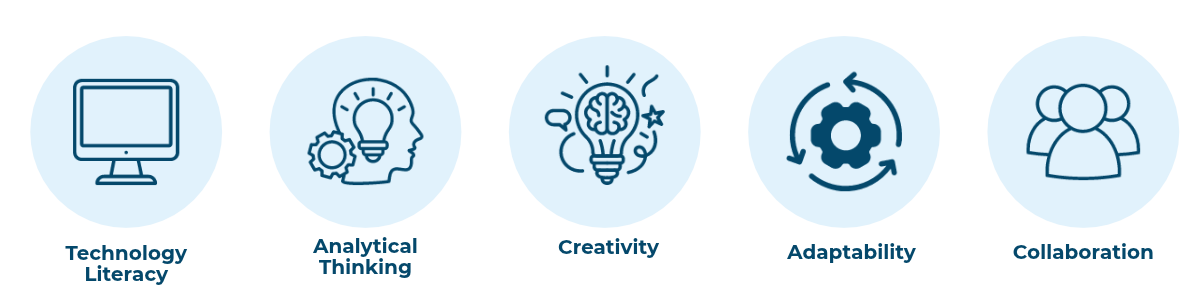
Artificial intelligence, automation, and evolving skill requirements are reshaping the workplace. Technology literacy is becoming increasingly important, along with essential skills such as analytical thinking, creativity, adaptability, and collaboration. Students need opportunities to develop both technical knowledge and the critical thinking skills necessary to apply it effectively.
At the same time, students and educators should not overlook opportunities in the skilled trades. Careers in electrical work, HVAC, welding, and advanced manufacturing combine technical expertise with hands-on problem solving skills, and offer valuable pathways into the workforce. Career exploration should introduce students to a variety of educational and professional pathways, including career and technical education, industry credentials, apprenticeships and college degrees. This exposure helps students make informed decisions that align with their interests, strengths, and long-term goals.
Educational institutions can further support students through employer-informed curricula, internships, apprenticeships, and opportunities to use emerging technologies responsibly. Partnerships with local employers can also demonstrate how skills are applied across different industries and work environments. Equally important is teaching students how to communicate what they have learned. Whether describing a problem they solved, a team project they contributed to or a technology they used, students need to translate their educational experiences into tangible examples of career readiness.
 How can technology such as Geographic Solutions’ Virtual Career Center help educational institutions connect students with career exploration tools, employment opportunities, and resources that support long-term success.
The right technology can help students connect career exploration with practical next steps.
Geographic Solutions’ Virtual Career Center brings self-assessments, career exploration, labor market information, résumé and interview preparation, and job search tools into one platform. Students can explore careers that match their interests, understand education and skill requirements, and prepare to pursue employment opportunities. For educational institutions, VCC provides tools to support career advising, monitor student activity, engage employers, and track employment outcomes. These capabilities help give staff a more complete picture of student progress, allowing them to provide more personalized guidance.
One of my favorite resources we connect students with is real-time labor market data. With just a few clicks, students can explore salary expectations, educational requirements, occupational demand, and employment outlooks for careers that interest them. This is exactly the type of information I wish I had access to when I was trying to determine my own career path. Giving students these insights earlier can help them make more informed decisions and better understand where different career opportunities may lead.
Ultimately, the value of technology comes from combining accessible resources with personalized guidance to help students turn career information into action.
How can colleges, universities, and workforce development organizations work together to create more meaningful career pathways and help students transition successfully from education to employment?
Meaningful partnerships start with a shared understanding of student goals and regional workforce needs.
Colleges and universities bring academic expertise and established student relationships. Workforce development organizations contribute labor market insights and employment resources, and employers help identify the skills and experiences needed to succeed in the workplace.
By working together, these partners can better align educational programs with career opportunities, expand internships and apprenticeships, and establish clear connections between education and employment services. For example, students completing an academic program should know which employers are hiring, where to access job search assistance, and how to find additional training or support.
This is the type of information we help connect students with through the Virtual Career Center. By providing access to employment opportunities and career development resources, we can help make the transition from education to employment more seamless. Regularly reviewing employment outcomes can also help educational institutions, workforce organizations, and employers identify gaps, strengthen partnerships, and improve career pathways over time.
What advice would you give to students, recent graduates, and individuals considering a career change about making informed career decisions, and taking advantage of today’s career development resources?
Start by understanding your interests, strengths, values, and priorities. Then, explore how they align with available career opportunities. Look beyond job titles to understand daily responsibilities, required qualifications, earning potential, and opportunities for advancement. Talk with professionals in the fields that interest you and, whenever possible, gain firsthand experience through internships, freelance projects, job shadowing, or volunteer opportunities.
Remember, you don’t have to navigate the process alone. Career services teams, workforce development organizations, mentors, and online career tools can help you evaluate your options and build a practical plan. Take things one step at a time. Schedule an advising appointment, research a career that interests you, update your résumé, or explore a new skill. Each step helps you move forward. Most importantly, don’t get discouraged if your career journey doesn’t follow a straight path. Everyone’s experience is different. I changed my college major twice before finding something that was right for me.
You don’t need to have every answer today. What matters is continuing to explore, learn, and make informed decisions as your career evolves.
Building Career Pathways for the Future
As workforce demands continue to evolve, career development must remain an ongoing part of educational experience. By connecting students with career exploration resources, real-time labor market insights and meaningful employment opportunities, educational institutions can help them make more confident decisions about their futures.
Though solutions such as Virtual Career Center, Geographic Solutions is helping bridge the gap between education and employment, empowering students to explore their potential, build career-ready skills, and take the next step toward long-term professional success.